
British Shorthair: origin, coat, character and daily care
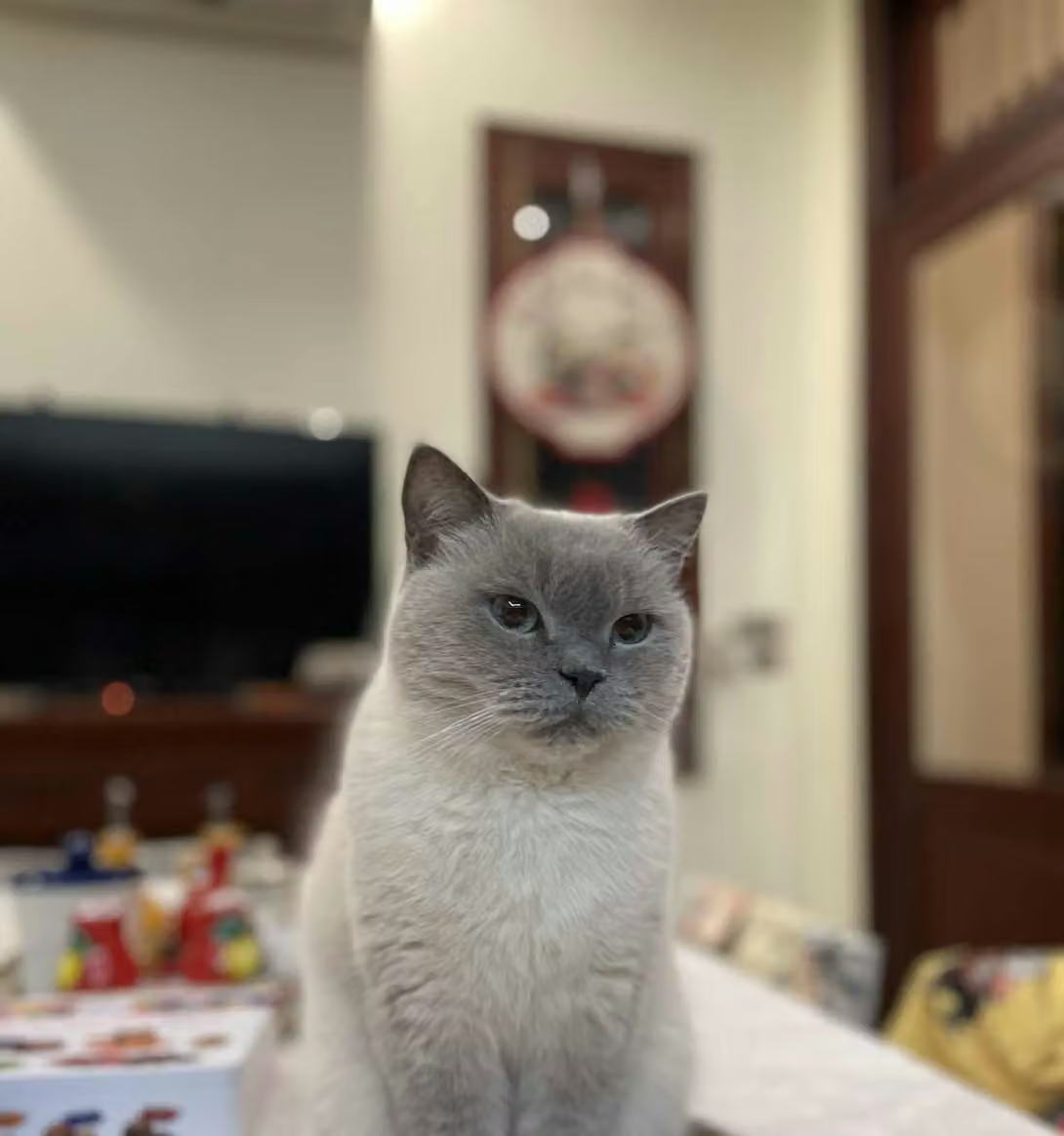
A calm, sturdy cat with a short, dense coat: where the British Shorthair comes from, how it is built, and what it needs at home every day.
Key facts
The FIFe details above describe the breed standard; grooming and activity recommendations are general care guidance. Every cat is an individual.
Origin
The British Shorthair descends from the everyday shorthaired cats of Britain. On 13 July 1871, the first cat show in the United Kingdom was held at the Crystal Palace in London, and among its entries were “English Shorthair” cats, the forerunners of today’s breed.
Both World Wars hit the breed hard, and some crossing with Persians and with ordinary domestic shorthairs was needed to rebuild it. The international federation FIFe records the British Shorthair’s recognition from 1960.
Appearance
The FIFe standard describes a large to medium cat with a muscular, cobby body: a broad chest, strong shoulders and back, short, strong legs, round, firm paws and a short, thick tail slightly rounded at the tip.
The head is round and massive, with a broad skull, a short, broad nose, a strong chin and small ears set wide apart. The eyes are large and round. Copper or deep orange is the classic eye colour; some colour varieties have blue, green or odd eyes.
Males are clearly larger than females. The GCCF gives about 4.1 to 7.7 kg for males and 3.2 to 5.4 kg for females.
Coat and grooming
The coat is short and dense, stands slightly away from the body over a good undercoat, and feels crisp to the touch. The GCCF describes it as plush, with more fur per square inch than any other breed.
FIFe recognises a wide range of colours and patterns: solid colours from black and blue to chocolate, lilac, red and cream, as well as white, tortie, smoke, shaded, tabby, bicolour and pointed. Blue is very popular.
The short coat is easy to keep. A quick weekly combing or brushing is usually enough, with more during the moulting seasons to remove loose hair. Claws need regular trimming, and the ears are worth checking now and then.
Character and daily life
British Shorthairs are calm and quiet. The GCCF calls them patient, tolerant and a bit lazy. They are not very talkative, but they bond strongly with their people and take a keen interest in the household’s routines. They prefer to keep all four paws on the ground, so many adults do not like being carried.
The GCCF considers the breed suitable as an indoor-only companion, provided it has enough to keep its mind busy. The breed rarely roams far, but its trusting nature can leave it vulnerable outdoors, so time outside should be supervised.
The GCCF also notes a slow metabolism: a healthy adult is well padded and muscular, and care is needed so that padding does not turn into excess weight. Daily play and measured meals help. A veterinarian can advise on the right amount of food for your cat.
Sources
- Fédération Internationale Féline (FIFe), “British Longhair/Shorthair (BLH/BSH)”, breed standard, Category 3, 1 July 2026
- Governing Council of the Cat Fancy (GCCF), “British”, breed information
- The Cat Fanciers’ Association (CFA), “British Shorthair”, breed profile
ASVELIS checked these sources on